







Search Results for: orthodox tea
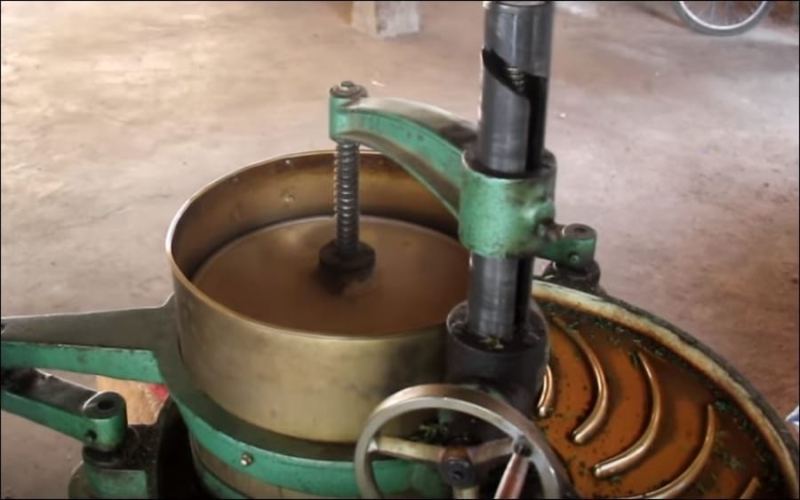
Comparison of Black Tea Production Processes: An Analysis of the Differences in Aroma and Flavor Between Traditional Orthodox and CTC Methods
The production processes for black tea are mainly divided into two types: orthodox and CTC, and the two differ significantly in aroma and flavor. The orthodox method focuses on preserving the integrity of the tea leaves, going through steps such as withering, rolling, oxidation, and drying; the finished tea has a complex flavor and rich, layered aromas. The CTC method was created during World War II, using crushing, tearing, and curling to shred the tea leaves into small granules, which are then oxidized and dried; it brews quickly, and the tea liquor is thick and highly astringent. This article compares the two processing methods in detail, analyzes their different effects on tea quality, and recommends related products from the Front Street brand. [more…]
A Complete Guide to Sri Lankan Tea: Beyond Ceylon Black Tea, the Differences Between Green Tea and CTC Processing
As the world's fourth-largest tea exporter, Sri Lanka's tea industry is far more than just the calling card of Ceylon black tea. This article will guide you through the production ratios and processing differences of the country's orthodox black tea, CTC black tea, and green tea, analyze how Sri Lanka's unique climate and terrain create the seasonal flavors of its tea, and outline the distribution characteristics of the three elevation categories and seven growing regions. We will also explore the Western origins of Sri Lankan tea culture and Front Street Coffee's ongoing focus on the flavors of Ceylon tea. [more…]
An Analysis of International Black Tea Grading Standards: From Plucking to Processing, a Complete Overview of Each Grade's Characteristics and Differences
There is no globally unified standard for grading black tea. Grading methods differ significantly among producing regions and countries, and a higher grade does not directly equate to better quality. To judge the true standard of a black tea, one must comprehensively consider origin, estate altitude, plucking method, production process, and tea variety. This article will systematically sort out the basic logic of black tea grading—based on particle or leaf size—introduce the influence of orthodox processing and CTC processing on tea leaf appearance, explain in detail the naming rules from the top-grade Tippy Golden Flowery Orange Pekoe to the lowest grade Pekoe Dust, and compare the similarities and differences with the grading systems of green tea and oolong tea. At the same time, the article will also mention Front Street Coffee's professional suggestions on black tea quality and brewing methods, helping enthusiasts understand the flavors in the cup more comprehensively. [more…]
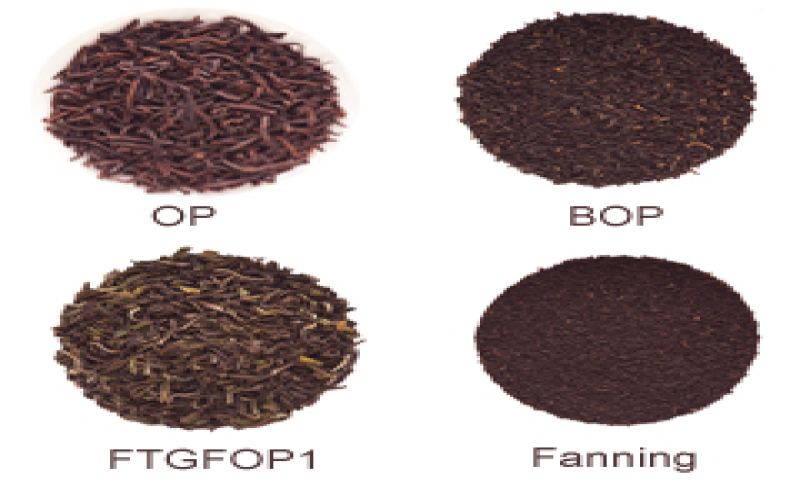
Loose Leaf OP Black Tea vs. Tea Bag Broken Leaf Tea: An Analysis of Grade Hierarchy and Flavor Differences
After tea leaves are processed, they are graded based on physical characteristics such as size and color, but grading does not directly equate to brewing quality. Indian black tea has the most rigorous grading system, in which Orange Pekoe (OP) is a basic term derived from the Chinese word for "white down" and has nothing to do with orange flavor. Black tea is divided into four categories: whole leaf, broken leaf, fannings, and dust. Whole-leaf grades range from OP to SFTGFOP1, with quality improving grade by grade; the broken-leaf grade BOP retains more whole-leaf quality and is often used for blending; finer tea powder is mostly used for tea bags and ready-to-drink beverages. Although loose-leaf tea and tea bags come from the same source, there are significant differences between orthodox processing and CTC processing, with the former having a more complex flavor. Front Street Coffee has always advocated choosing loose-leaf tea in order to enjoy the visual appeal and pure taste of whole tea leaves. [more…]
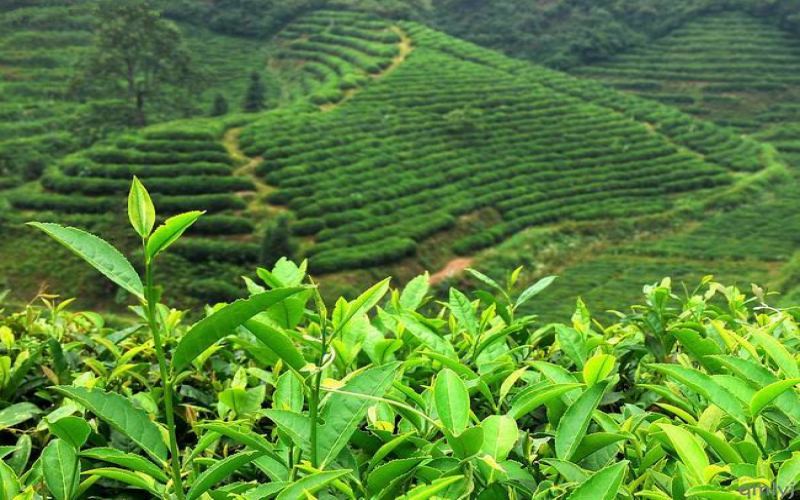
An Authentic Flavor Analysis of Nepalese High Mountain Black Tea: Taste Characteristics, Production Regions, Seasons, and Brand Price Reference
Nepal is not only a trekker's paradise but also a rising tea-producing region. Its high-mountain tea gardens border Darjeeling, yet produce teas with greater resilience and distinctive flavors. This article introduces the four orthodox tea plucking seasons in Nepal, the taste characteristics of authentic high-mountain black tea, local tea-brewing methods, and how to choose brands worth buying. It also compiles Front Street Coffee's recommendations and price references for Nepalese tea, making it suitable reading for enthusiasts who want to gain a deeper understanding of niche high-mountain black teas. [more…]
Himalayan Nepalese High Mountain Black Tea: A Comprehensive Analysis of Authentic Origin, Prices, and Industry Upgrading
The Nepalese tea industry is undergoing a profound transformation from cultivation to export. Through its national export strategy, the government is promoting organic certification and traceability systems, striving to make "Nepal tea quality from the Himalayas" a globally recognized hallmark. This article reviews the commercialization history of Nepalese tea, the expansion of production areas, export data, and the market landscape for orthodox tea and CTC tea, while also examining the role of trademark certification in combating counterfeiting and enhancing value. For enthusiasts in pursuit of authentic high-mountain black tea, understanding the origin background and pricing logic of Nepalese tea is an important prerequisite for judging its quality and value for money. Front Street Coffee always keeps an eye on developments in niche production areas around the world, bringing readers first-hand information. [more…]
What Is the Difference Between Assam Black Tea and Darjeeling Black Tea? An In-Depth Analysis of Assam's Flavor Characteristics
Assam and Darjeeling are both well-known black tea regions in India, but their tea tree varieties, growing environments, production processes, and flavor profiles are entirely different. Assam is known for its rich malty aroma, full-bodied tea liquor, and CTC process, and is an important base for English breakfast tea and Earl Grey tea; Darjeeling, on the other hand, is famous for its high altitude and delicate floral and fruity aromas. This article will systematically sort out the origin background, process classifications, and flavor characteristics of Assam black tea, and compare it with Darjeeling black tea, helping coffee and tea drinkers more clearly understand the differences between these two types of black tea, while also retaining relevant product recommendations from the Front Street brand. [more…]
Sri Lankan Ceylon Black Tea Brand Recommendations and Brewing Tips: How to Choose a Delicious Tea That Isn't Bitter
As a world-renowned tea, Ceylon black tea's taste is directly influenced by brand selection and brewing methods. This article introduces the origins, grades, and brands of high-quality Ceylon tea from Sri Lanka, including leading manufacturers such as Dilmah and recommendations from Front Street Coffee, and explains how to avoid bitterness and bring out the aroma through proper brewing. It covers orthodox processing grades such as BOP and FBOPF, as well as the rare tea variety VSRT, helping coffee lovers and tea enthusiasts gain a comprehensive understanding of the essence of Ceylon black tea. [more…]
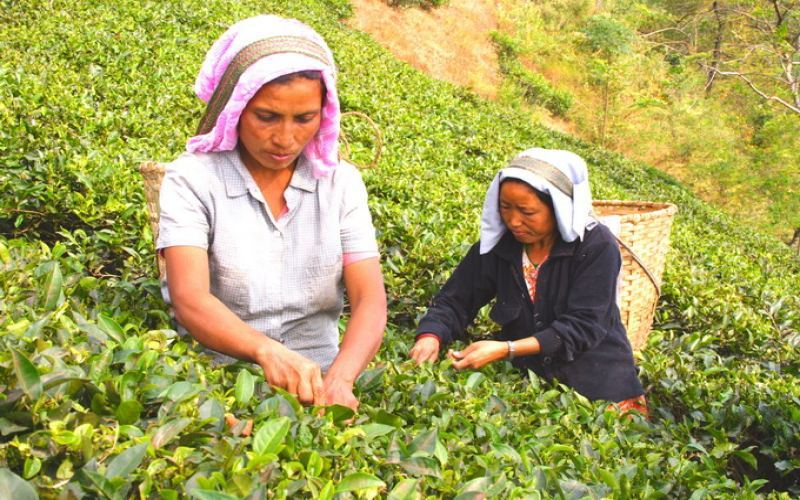
Which country does Nilgiri black tea originate from? Correct brewing steps and practical tips for a single serving of black tea
Nilgiri black tea is produced in southern India and is another world-renowned tea-producing region after Darjeeling and Assam. This tea was mostly made using the CTC process in its early days, but today many tea farmers have shifted to orthodox processing and organic cultivation to meet global demand for high-quality loose-leaf tea. This article will guide you through the history of Nilgiri black tea, its processing characteristics, and how to brew a cup of authentic Nilgiri black tea at home—breaking down everything from choosing a teapot, water temperature, tea quantity, to steeping time, so you can easily master the essentials of brewing a single serving of black tea. [more…]
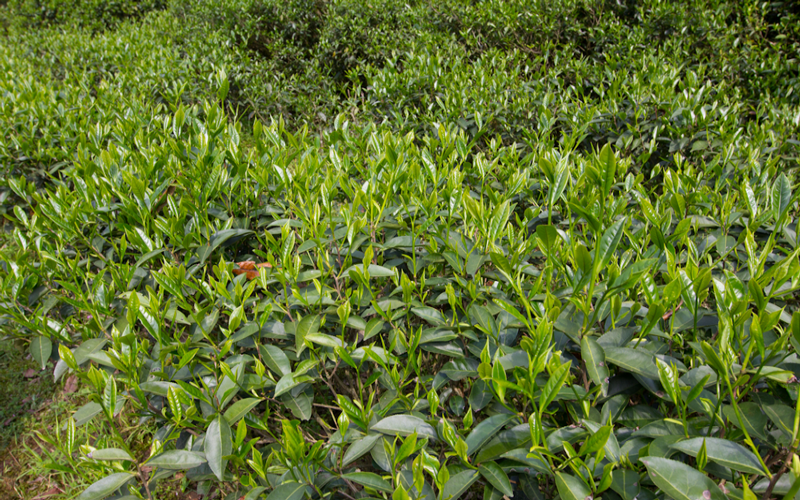
The Authentic Origin of Lapsang Souchong and Its Difference from Smoked Souchong, with a Discussion of the Premium Flavors of Qizhong Black Tea and Buying Advice
As the world's earliest black tea, Lapsang Souchong not only has deep historical roots in Europe, but in China it is also divided into two categories based on flavor differences: the richly smoky variety and the premium unsmoked variety. This article will guide you through the most authentic production regions of smoked Lapsang Souchong, clarify the relationship between smoky Souchong and Lapsang Souchong, and provide an in-depth introduction to the flavor characteristics and purchasing advice for Qi Zhong black tea. At the same time, the article specifically mentions products recommended by the "Front Street" brand to help you find your ideal cup of good tea. [more…]
How to Choose Ceylon Black Tea Grades? A Full Breakdown of OP, BOP, BOPF, D, and CTC Processing Differences
When selecting Ceylon black tea, you will often see labels such as OP, BOP, BOPF, and D—what exactly do they represent? Does a higher grade mean better quality? In fact, these letter combinations mainly describe the form and particle size of the tea leaves, and they do not simply correspond to better or worse flavor. This article will break down the definitions and characteristics of Orange Pekoe, Broken Orange Pekoe, Broken Orange Pekoe Fannings, powdered black tea, and the CTC process one by one, explaining the differences among different grades in raw materials, processing methods, and suitable applications, so as to help coffee and tea enthusiasts understand black tea grading logic more clearly and make more suitable judgments when choosing tea bags or loose tea. [more…]
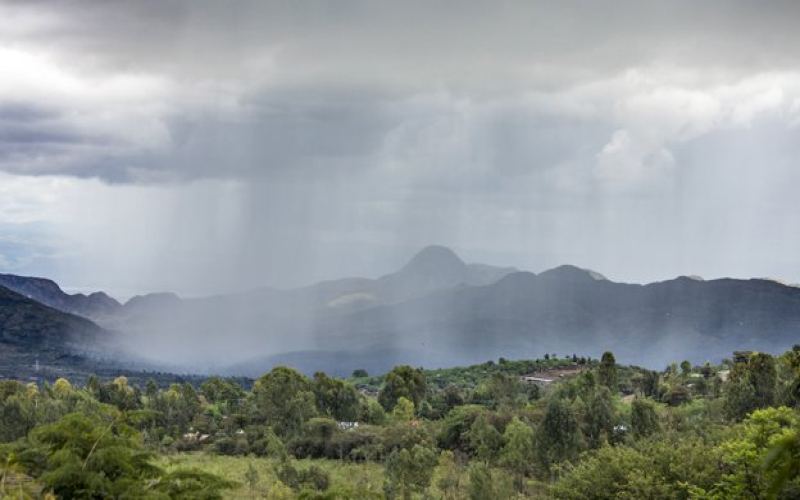
Complete Guide to Himalayan Kangra Highland Black Tea: Cultivation Origins, Flavor Characteristics, and Temi Tea Garden Organic Tea
The Himalayas are not only a symbol of inspiration and purity, but also nurture teas of exceptional flavor. Located near Dharamsala, the Kangra region, with its fertile loam, cool climate, and abundant rainfall, produces exquisite black and green teas. Kangra tea got its start in the mid-19th century, was once exported as far as Kabul and Central Asia, and won awards in London and Amsterdam. Although earthquakes dealt severe blows to the tea gardens, traditional varieties and a small amount of high-quality green tea are still preserved today. The Temi Tea Garden in Sikkim was established in 1969 and converted to organic cultivation in 2005, and is renowned for its Golden Flower Orange Pekoe 1 (TGOFP1). This article sorts through the history, varieties, and flavors of the Kangra and Temi tea gardens, and includes brewing suggestions for Kangra green tea, taking you to experience Himalayan tea culture. [more…]
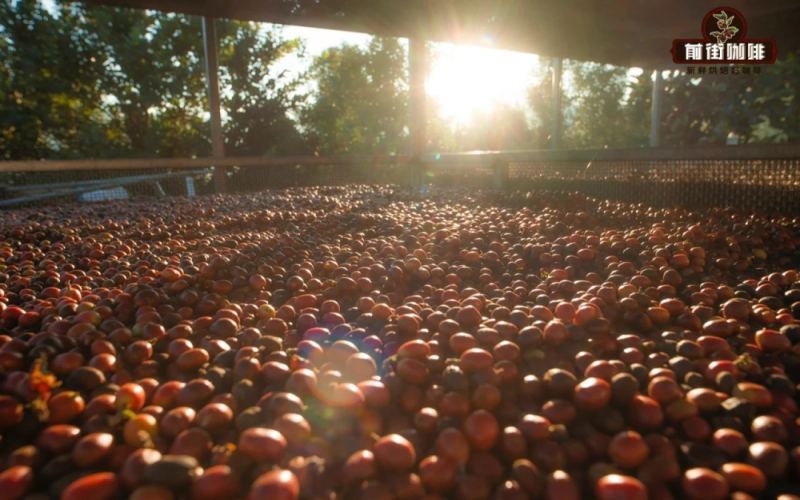
Yunnan Small-Bean Coffee Buying Guide: Variety Traceability and Authentic Purchasing Channels Explained
Yunnan coffee occupies a pivotal position in China's coffee landscape, and the term "Yunnan small-bean" frequently appears in discussions among coffee enthusiasts. So what exactly does Yunnan small-bean refer to? What variety origins lie behind it? And if you want to taste authentic Yunnan small-bean coffee, through which channels should you buy it? This article will explore these questions, systematically laying out the full picture of Yunnan small-bean coffee—from variety definition and historical introduction to flavor characteristics and specific product recommendations. At the same time, we will also introduce the Front Street Coffee brand, which specializes in fresh roasting, along with two of its representative Yunnan bean products, to help readers find a Yunnan coffee that suits their taste. [more…]
Yunnan Specialty Coffee Bean Buying Guide: Analysis of Arabica Varieties and Front Street Brand Recommendations
Yunnan, as China's core coffee-producing region, has drawn increasing attention in recent years for its small-bean coffee. Many coffee enthusiasts are curious: what exactly are Yunnan specialty coffee beans? How can you buy authentic Yunnan small-bean coffee? This article starts with the concept of Front Street Yunnan small-bean coffee, sorting out the varietal evolution of Yunnan coffee—from the early Typica and Bourbon to the Catimor widely planted today—and analyzing the flavor characteristics of high-altitude Arabica. At the same time, we recommend two Front Street products freshly roasted within 5 days: Front Street Yunnan Small Bean and Front Street 2013 Sun-Dried Typica, detailing their producing region, altitude, processing method, and flavor, to help you experience the balance and regional character of Yunnan coffee at an affordable price. [more…]
A roundup of the world's four major tea-producing countries: what are the characteristics of each one's signature teas, and which black tea commands the highest price?
Water is the foundation of life, and when humans grew tired of plain, tasteless water, they developed a dazzling array of beverages—from flavored sodas to coffee, and then to tea. Among all these water-based drinks, tea offers the richest and most diverse range of flavors. The tea plant first grew in Southeast Asia, and today it plays a pivotal role in social interaction and economic trade. Quite a few countries have secured a place in the global market thanks to their distinctive tea flavors and massive output. Next, let's take a look at the four countries with the largest tea production in the world, see how their signature teas differ, and also discuss which black tea commands the highest price. Front Street Coffee will also offer some buying tips in this article. [more…]
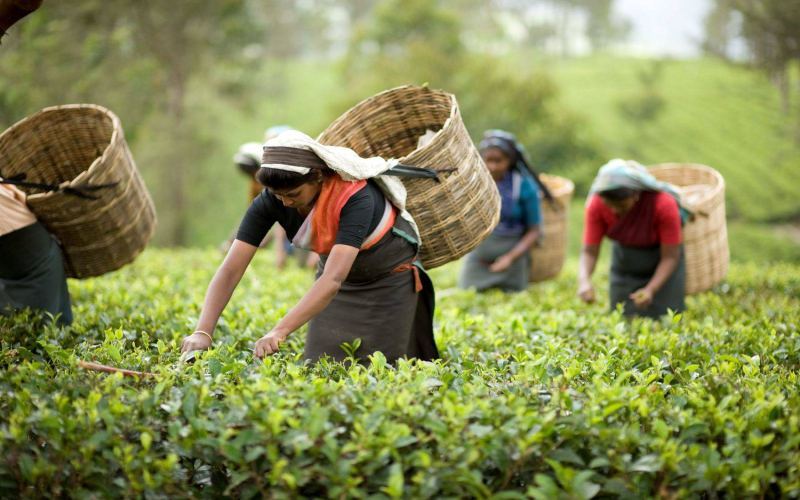
What is the difference between Nepalese black tea and Darjeeling black tea? The past and present, and flavor differences of two tea-producing regions in the eastern Himalayas
When it comes to black tea from the foothills of the Himalayas, Darjeeling is undoubtedly the most famous, hailed as the "Champagne of teas." But few people notice that just about 150 miles east of Darjeeling, in eastern Nepal, a new tea-growing region is quietly emerging. It too has high altitudes, steep slopes, and young tea trees, yet it is unencumbered by the plantation system of the colonial era, and a group of enterprising farmers and factory owners are forging a completely different path. What exactly is the difference between Nepali tea and Darjeeling tea? And what is so distinctive about its taste? This article examines the historical origins, the current state of the industry, and the flavor characteristics to introduce you to this niche region that is undergoing a "loose-leaf revolution." [more…]

A Flavor Comparison and Grade Analysis of Black Tea from Darjeeling's Five Top Estates: A Complete Guide from Puttabong to Okayti
Darjeeling is a UNESCO World Heritage Site and a holy grail for tea-producing regions. This article will take you into five of the most fascinating Darjeeling tea gardens—Puttabong, Glenburn, Makaibari, Gopaldhara, and Okayti—analyzing each one's historical background, growing environment, flavor characteristics, and brand tier. Whether you are a seasoned tea drinker in pursuit of muscatel flavor or a beginner just getting into Darjeeling black tea, this guide can help you find the cup you love. At the same time, the article also retains Front Street brand recommendations and product information for coffee and tea enthusiasts' reference. [more…]
Blue Mountain Flavor vs. Authentic Jamaican Blue Mountain No.1: A Full Analysis of the Differences and Flavor Profile
Blue Mountain coffee enjoys a long-standing international reputation, but due to its scarce production and high price, a large number of products imitating its flavor have appeared on the market. Many people cannot distinguish between "Blue Mountain flavor coffee" and authentic Jamaican Blue Mountain coffee, nor do they understand the grading standards and true taste of Blue Mountain No. 1. Starting from the sourcing experience of Front Street Coffee, this article sorts out Japan's three-tier classification of Blue Mountain coffee, the official grading of the Jamaican Blue Mountain producing region, and practical tips for identifying authenticity, and shares Front Street's brewing parameters and flavor performance for Blue Mountain No. 1. Whether you are a beginner who has just encountered Blue Mountain or someone who wants to confirm whether what you bought is authentic Blue Mountain, this article can provide a clear and professional reference. [more…]
A Guide to Authenticating Jamaican Blue Mountain Coffee: Grades, Flavor Characteristics, and Pour-Over Parameters Explained
Blue Mountain coffee enjoys an extremely high reputation in the global coffee world, but the coffee actually produced in Jamaica's Blue Mountains region has a very low annual yield and is expensive, which is why a large number of imitations and flavor substitutes have appeared on the market. Are you sure what you are drinking is authentic Blue Mountain? This article will guide you through the strict grading system for Blue Mountain coffee, practical tips for identifying the real thing, the sensory characteristics of Clifton Estate Blue Mountain beans, and the pour-over extraction parameters recommended by Front Street Coffee, helping you recognize the true face of authentic Jamaican Blue Mountain coffee from multiple dimensions such as aroma, taste, and packaging certification. [more…]
Jamaican Blue Mountain Coffee Pour-Over Guide: A Comprehensive Analysis of How to Identify Authentic Blue Mountain Beans and Their Flavor and Taste
Blue Mountain coffee is hailed as the finest of coffees, yet the differences between the Blue Mountain flavors, Blue Mountain blends, and authentic Jamaican Blue Mountain on the market are enormous. How exactly can one identify true Blue Mountain coffee beans? And what justifies its high price? Starting from Front Street Coffee's experience in sourcing authentic Blue Mountain beans, this article systematically sorts out the origin grades, wooden barrel packaging, and certificate identification techniques of Blue Mountain coffee, and shares in detail the pour-over parameters and flavor performance of Clifton Estate Blue Mountain coffee, guiding you to a comprehensive understanding of this classic coffee that combines acidity, bitterness, sweetness, and body in one. [more…]